
What Affects Bookkeeping Costs
Bookkeeping isn’t one-size-fits-all pricing — and that’s actually a good thing. You shouldn’t pay for services your business doesn’t need. Here are the main factors that will determine your monthly cost:
Transaction Volume
The more financial activity your business has, the more time it takes to keep your books accurate. A sole proprietor with 80 transactions per month has very different needs than a restaurant or retail shop processing hundreds of transactions every week. Most bookkeeping firms tier their pricing by monthly transaction volume — so a slower month might actually cost less if you’re on a variable plan.
Business Complexity
Do you have multiple revenue streams? Multiple bank accounts? Loans, lines of credit, or equipment financing? The more moving parts in your business, the more complex your books. A single-location taquería with one bank account is simpler to manage than a contractor who runs three crews and tracks job-by-job profitability.
Payroll
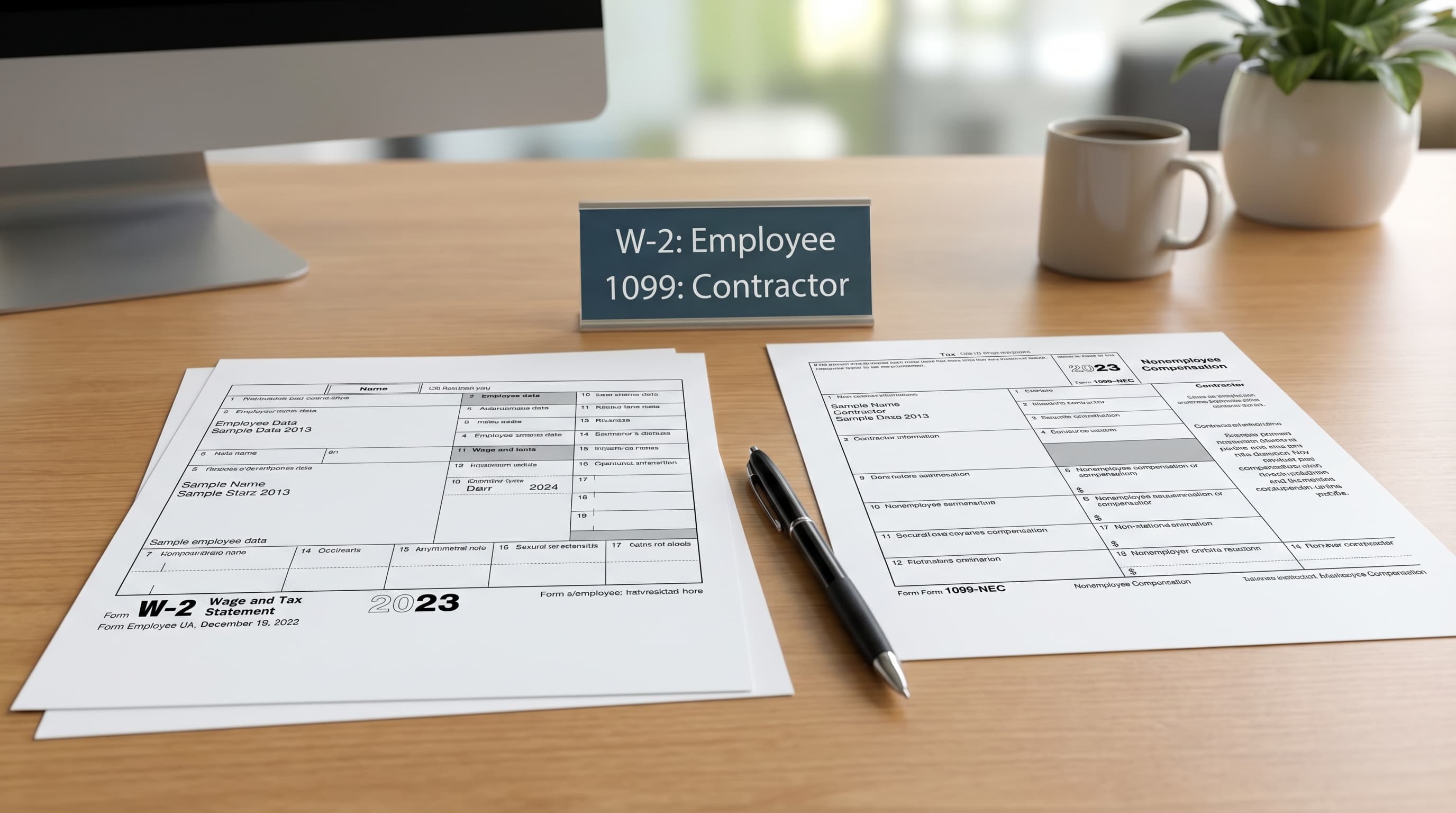
If you have employees, payroll bookkeeping is a separate layer of work. Payroll involves tracking wages, withholdings, employer tax deposits, and making sure everything reconciles with your bank account and payroll reports. Some bookkeeping firms include basic payroll tracking in their base price; others charge extra. If you run payroll in-house through software like Gusto, your bookkeeper still needs to integrate that data into your books monthly.
Your Industry
Some industries have unique bookkeeping requirements. Contractors need job costing. Retailers need inventory tracking. Medical or dental offices deal with insurance receivables. The more specialized your industry needs, the more expertise — and sometimes cost — is involved.
Software You’re Using
Most professional bookkeepers work in QuickBooks Online (QBO), and that subscription cost ($30–$90/month depending on your plan) may or may not be included in your bookkeeping fee. Ask upfront. If you’re already subscribed to QBO, make sure you’re not double-paying.
Hourly vs. Monthly: Which Pricing Model Is Better?
There are two main ways bookkeepers charge: by the hour or a flat monthly rate. Here’s the honest comparison.
Hourly pricing typically runs $35–$75/hour for a bookkeeper (not a CPA). On the surface it sounds affordable, but the unpredictability is the problem. If your books get messier one month — maybe you had more vendors, or you fell behind entering receipts — your bill goes up with no warning. Business owners who are already stressed about money don’t need more financial surprises.
Flat monthly pricing is almost always better for small businesses. You know exactly what you’re paying each month. It’s easier to budget. And your bookkeeper is motivated to stay efficient, since they’re not billing you by the hour. Most established bookkeeping firms — including National Bookkeeping Company — use monthly retainer pricing for exactly this reason.
The SBA recommends that small business owners spend no more than 1–2% of revenue on administrative services like bookkeeping. For a business doing $400,000 in annual revenue, that’s roughly $333–$667/month — a range that aligns well with professional monthly bookkeeping services.
📊 Key Fact
Average Bookkeeping Costs in the RGV
Bookkeeping rates vary by region, and the Rio Grande Valley has its own market realities. Here’s what you can expect to pay for professional bookkeeping services in McAllen and the surrounding area — Mission, Edinburg, Pharr, Harlingen, Brownsville:
| Business Size | Monthly Transactions | Typical Monthly Range |
|---|---|---|
| Sole proprietor / freelancer | Under 75 | $150–$300 |
| Small business, no payroll | 75–200 | $300–$500 |
| Small business with payroll | 100–300 | $400–$650 |
| Growing business, multiple accounts | 200–500+ | $600–$1,000+ |
At National Bookkeeping Company, our SmartBook Essential plan starts at $350/month — which covers bank reconciliation, monthly financial statements, and QuickBooks Online management for most small businesses in the valley. There are no surprise add-ons for things that should simply be included.
If you’ve been quoted rates significantly below $150/month, ask what’s actually included. Very low-cost services often mean offshore bookkeeping, delayed turnaround, and minimal communication — which can create more problems than they solve.
Free Assessment — 3 Minutes
How Healthy Are Your Books?
Take our free Books Health Score assessment and find out exactly where your bookkeeping stands — and what to fix first. No sign-up required.
Start free assessmentWhat’s Included in Professional Bookkeeping
When you hire a professional bookkeeper (or a bookkeeping firm like NBC), here’s what a solid monthly engagement should cover:
- ●Bank and credit card reconciliation — Every transaction in your bank account gets matched and verified. This is how errors, fraud, and missed payments get caught.
- ●Transaction categorization — Every expense gets properly categorized so your reports are accurate and your tax coordinator can work efficiently come filing time.
- ●Monthly financial statements — You receive a Profit & Loss (P&L) statement and a Balance Sheet each month. These aren’t just compliance documents — they’re the scoreboard for your business. You should know if you’re profitable.
- ●QuickBooks Online management — Your QBO file stays clean, up to date, and properly structured. Chart of accounts maintained, no duplicate entries, no mystery transactions sitting uncategorized.
- ●Vendor and customer records — Keeping vendor and customer records accurate in QBO is essential for 1099 preparation and accounts receivable tracking.
- ●Year-end package — A clean, organized set of books that your tax coordinator can actually work with. This alone can save you significant money at tax time by reducing billable hours for your CPA or enrolled agent.
Some bookkeepers also offer add-on services like accounts payable management, invoicing support, or sales tax filing. These are often priced separately — and that’s fine, as long as you understand what you’re paying for.
DIY vs. Hiring a Bookkeeper: The Real Cost
A lot of RGV business owners try to handle their own bookkeeping to save money. This is understandable — especially when you’re just starting out. But there’s a real cost to DIY bookkeeping that doesn’t show up on an invoice.
- ●Your time has value. If you’re spending 5–10 hours per month on your books (a conservative estimate for a business with any complexity), and your time is worth $50/hour as a business owner, that’s $250–$500/month of your own productivity being consumed by something you’re not trained for and probably don’t enjoy. You could spend those hours on sales, operations, or simply taking a Sunday off.
- ●Mistakes accumulate. Miscategorized expenses, missed reconciliations, duplicate entries — these compound over time. A bookkeeper who does it right every month is far less expensive than fixing a year of errors in February.
- ●Missed deductions are real money. A professional bookkeeper ensures every legitimate business expense is captured and categorized correctly. Many DIY business owners unknowingly leave deductions on the table — meals, mileage, home office, equipment — simply because they’re not tracking them properly throughout the year.
- ●Lenders want clean books. If you ever need a business loan, a line of credit, or want to sell your business, lenders and buyers will ask for financial statements. Books that were maintained by a professional are far more credible than a DIY QuickBooks file.
The honest math: for most small businesses in the RGV, professional bookkeeping pays for itself.
📊 Key Fact
Frequently Asked Questions
Is bookkeeping tax-deductible for my business?
Yes. Bookkeeping services are a legitimate business expense and are fully deductible on your federal income taxes. The cost of keeping your books is considered an “ordinary and necessary” business expense by the IRS. Keep your invoices from your bookkeeper as records.
How often should my books be updated?
Monthly, at minimum. Some high-volume businesses benefit from weekly or even real-time bookkeeping. Monthly reconciliation is the baseline for making sound financial decisions — if your books are only updated once a quarter, you’re essentially driving with a three-month-old map.
What’s the difference between bookkeeping and accounting?
Bookkeeping is the ongoing process of recording, categorizing, and reconciling your financial transactions. Accounting involves interpreting those records — analyzing trends, preparing tax returns, providing strategic financial advice, and ensuring compliance. Bookkeepers maintain your financial data; accountants use that data to advise you. National Bookkeeping Company is a bookkeeping firm. We work alongside your CPA or enrolled agent and hand them clean, organized books at year-end so they can do their job efficiently.
Can I do my own bookkeeping in QuickBooks?
Yes, you can — and many small business owners do in the early stages. QuickBooks Online is designed to be user-friendly. But there’s a difference between entering transactions and doing bookkeeping correctly. Proper bookkeeping requires understanding double-entry accounting, knowing how to reconcile accounts, and recognizing when something doesn’t add up. If you’re not comfortable with those concepts, errors can sneak in and cause real problems down the road.
Ready to See What Professional Bookkeeping Costs for Your Business?
Every business is different — and the best way to know exactly what bookkeeping will cost you is a quick conversation. At National Bookkeeping Company, we offer a free consultation where we’ll look at your situation, ask a few questions about your transaction volume and needs, and tell you clearly which SmartBook plan makes sense and what it will cost. No pressure. No guessing. Just a clear answer.
Schedule a Free ConsultationMonthly Bookkeeping Plans
SmartBook Essential from $350/mo — see what’s included.
View bookkeeping plans and pricing →This article is for general informational purposes and does not constitute tax, legal, or financial advice. For guidance specific to your business situation, consult a qualified tax or legal professional.